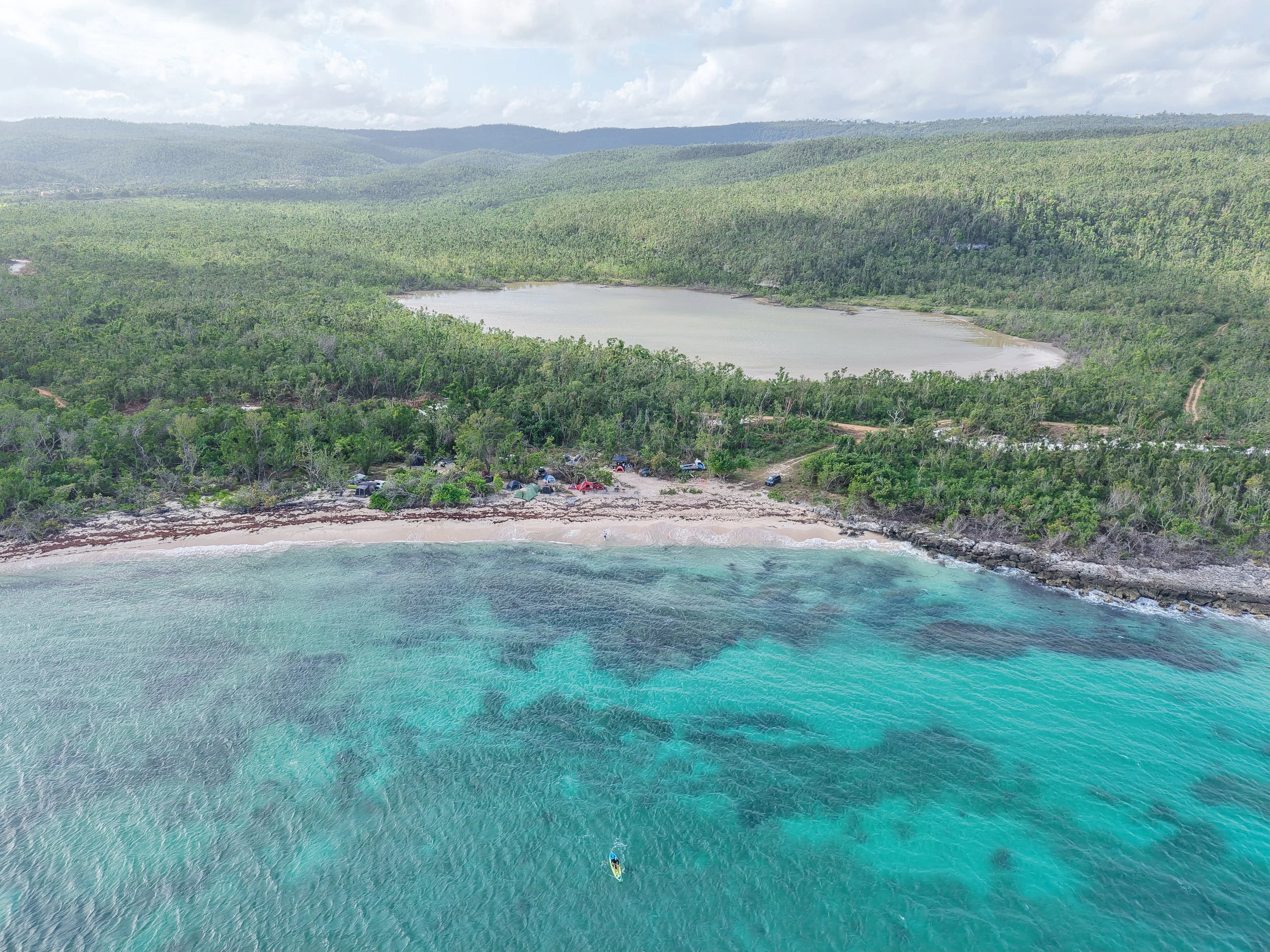
Resilient Reefs of Jamaica
100 miles surveyed
1-2°C hotter than other islands
>98% mortality in 2023
375 survivors found since
3rd biggest island in the Caribbean
The 2023 bleaching event eradicated >98% of Jamaica's remaining Staghorn and Elkhorn corals, the Caribbean's formerly dominant, reef-building species. We have since continued to identify, rescue and grow surviving, climate tolerant colonies across Jamaica. Our response has been to meticulously scan over ninety miles of fringing reef (over one quarter of Jamaica's coastline) in search of every last remaining survivor. This has led to the inventorying of 300 surviving wild stands, of which 222 have been rescued, banked and undergone asexual propagation in a series of coral nurseries our team has established along the coast through a triad of contracts, engaging and financially incentivising local fisherfolk to care for them on a regular basis.PROJECT PRESS →
THE SCIENCE
Mainland Jamaica is the Caribbean's third largest isolated land mass. Sourcing these corals over such a vast sampling range stands to scale locally managed genetic diversity beyond most recorded genotype numbers within Caribbean restoration programs.

Global sea surface temperature data has suggested Jamaica to be 1-2 degrees hotter than much of the Caribbean. Corals to have persisted under such challenging thermal regimes may possess some of the most favourable traits for climate adaptation, making our efforts relevant for reef resilience in Jamaica and beyond.

Our survivors constitute the base broodstock from which to most meaningfully and most effectively render assisted fertilization, symbiont assimilation for thermal tolerance, assisted gene flow and assisted migration in the long term, among other interventions listed as key to ensuring species level survival.

With the effectiveness of coral gardening being questioned against the backdrop of accelerating reef decline, selective measures to curb the imminent collapse of keystone taxa, the creation and safeguarding of new breeding populations, and maximizing genetic diversity in nurseries on far greater scales than before, have become crucial for future restoration.
CALL TO ACTION
Do your part
Support the cause
In light of compounding threats to these already at-risk species and habitats such as prospective offshore oil drilling within the Walton-Morant block, we aim to expand on our database and extend this system of underwater coral safehavens to the south coast, including Jamaica's outer banks and priority areas still unsurveyed since Hurricane Melissa, to combat the impending extinction of these species.

01   Evidence based premium safeguarding of corals against extinction-level
     threats

02   48-hour turnaround response to survey circa 30 km of hurricane
     impacted habitat and stabilise wild corals

03   A resource to unlock inter-island collaboration to cross-spawn and
     breed thermally tolerant corals

04   Livelihood generation among primary resource users and national early
career conservationistsTHE GENE BANK
Trelawny coral rescue initiative
4 critically endangered keystone species
70+ parent colonies
3,000 clones
8 km surveyed
100% survival post-Hurricane Melissa
3 local fishers-cum-coral farmers
3 local female graduate staff
Ours is the first coral reef conservation project in the northern parish of Trelawny, growing extremely rare corals in underwater nurseries in the waters off Duncans/Silver Sands. Our team regularly visits the reserve to propagate and clone these climate smart corals with a view to re-establishing new, reproductive, heat adapted populations at this important site towards the reprisal of their ecosystem role in the long-term.One of the Caribbean's largest in-situ collections of Acropora corals
HOW DOES IT WORK?
Learn about coral evolution, propagation and asexual husbandry from project co-founder Hosang with show and telL
BORN IN THE COMMUNITY
The Silver Sands project's inception was the result of conversations between our team and stakeholders from the local fishing community inspired to become coral farmers. The program is staffed by two local divers, two regular spearfishers-cum-coral farmers, two University of the West Indies marine biology graduates, and regularly engages 2-3 local boat captains.HOW DOES IT WORK?
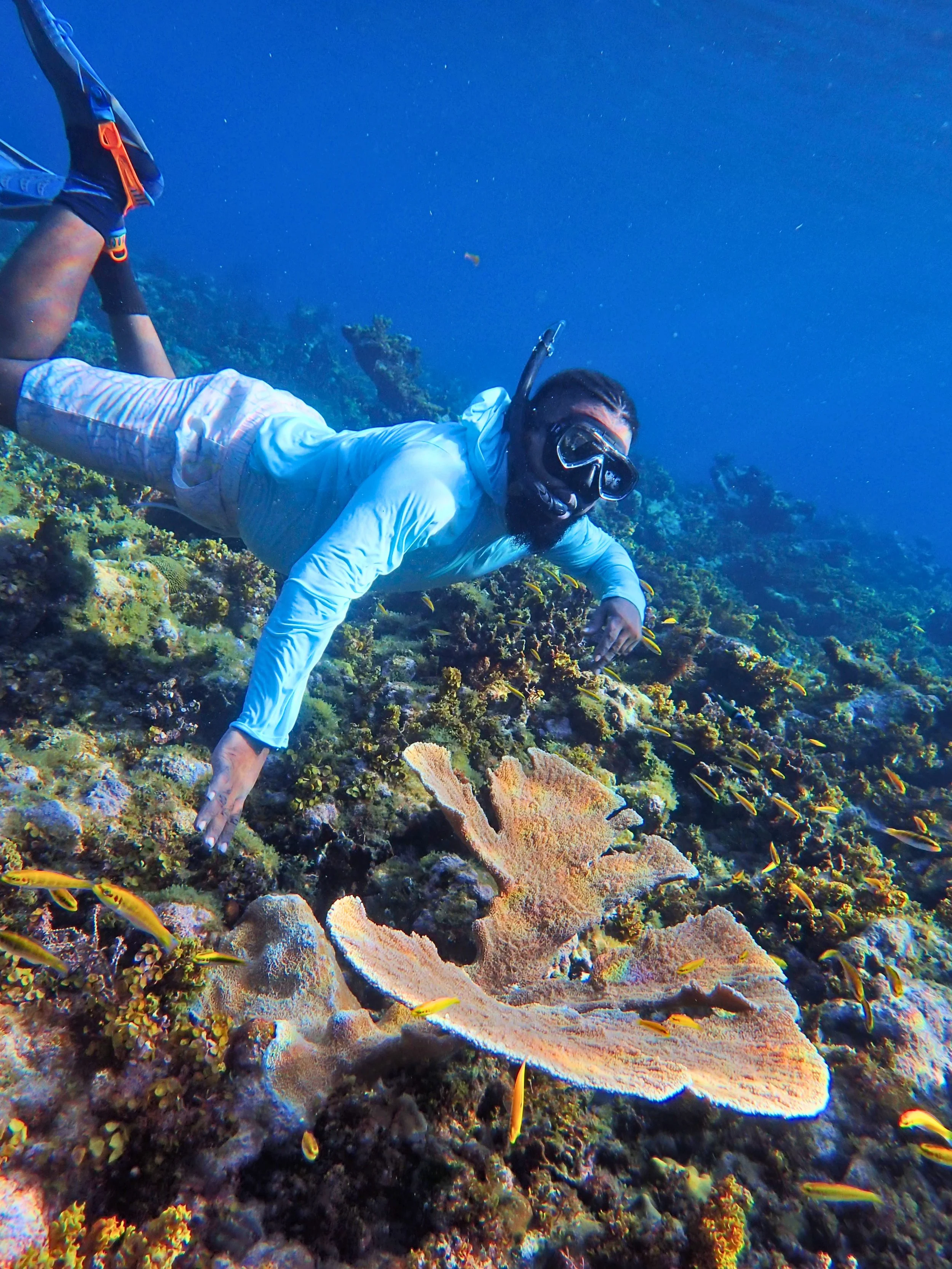
Corals are re-fragmented asexually in order to produce micro-sized headstarts three to four times annually and left to grow throughout the year. Variably after two years, mature corals can be affixed to grow permanently in their natural environment, providing habitat for fishes and other marine life, generating structural complexity within the ecosystem and adding vibrancy to the underwater surroundings.MEET THE TEAM
-
![]()
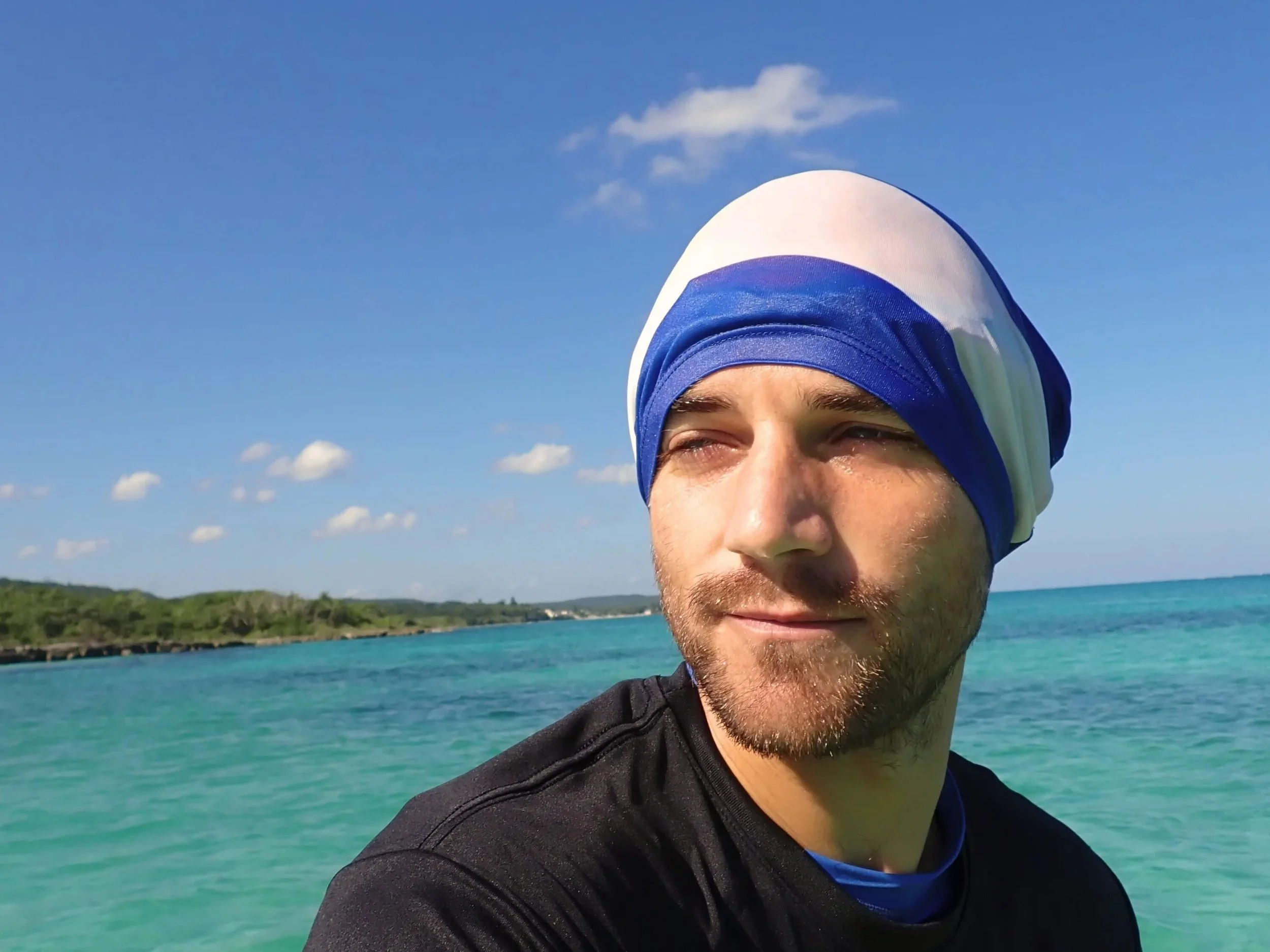
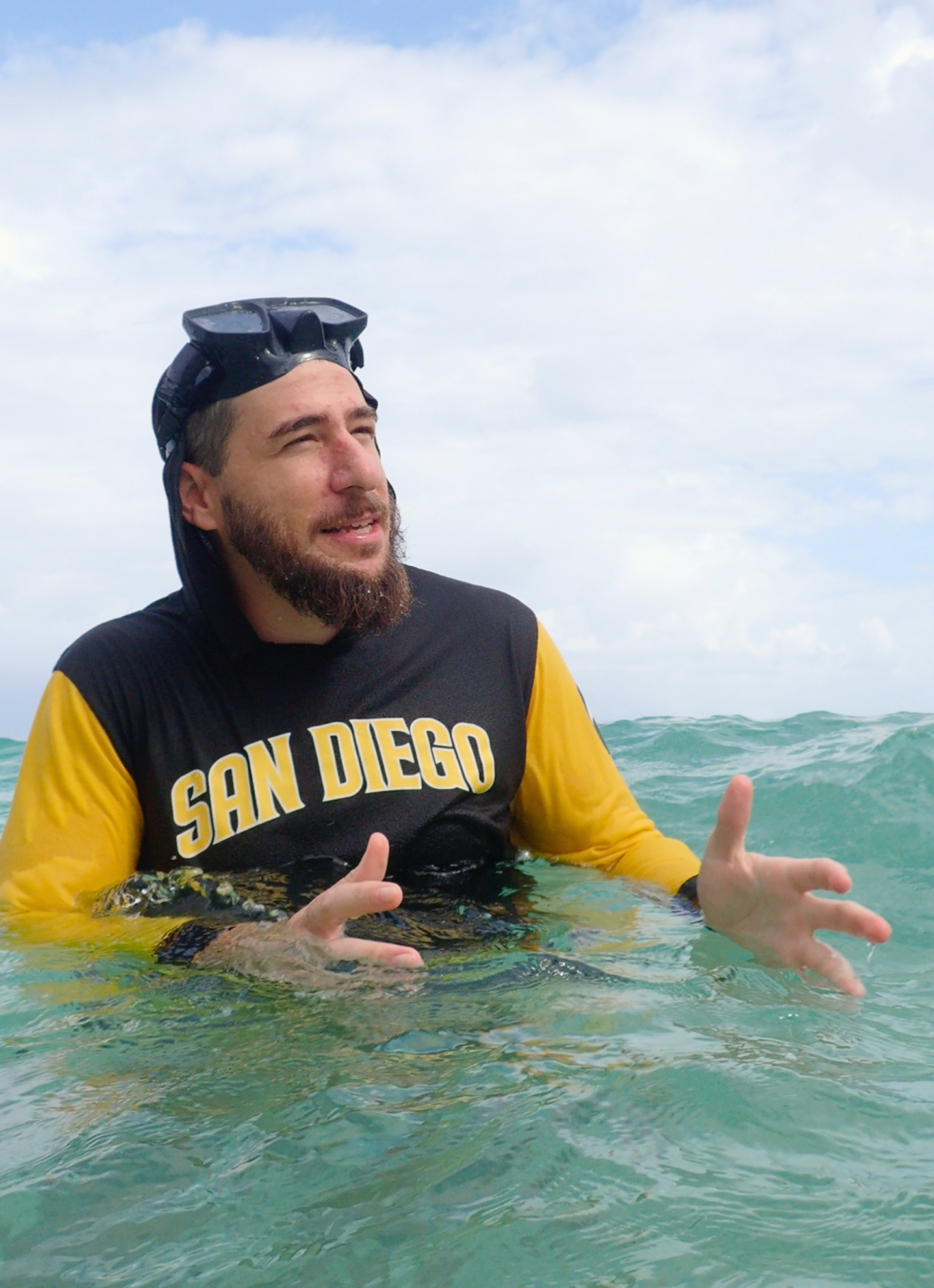
Felix Charnley MSc
Project founder and research lead
Felix is a Master of Science in coastal resource management and a specialist in Caribbean coral reefs.
Felix founded the Trelawny Coral Rescue Initiative upon noticing a comparatively high density of surviving corals and the potential of the local conditions along the Duncans/Silver Sands reef tract for gene banking corals in situ semi-permanently, in response to a mass dieback of Jamaica's most threatened coral species.
-
![]()
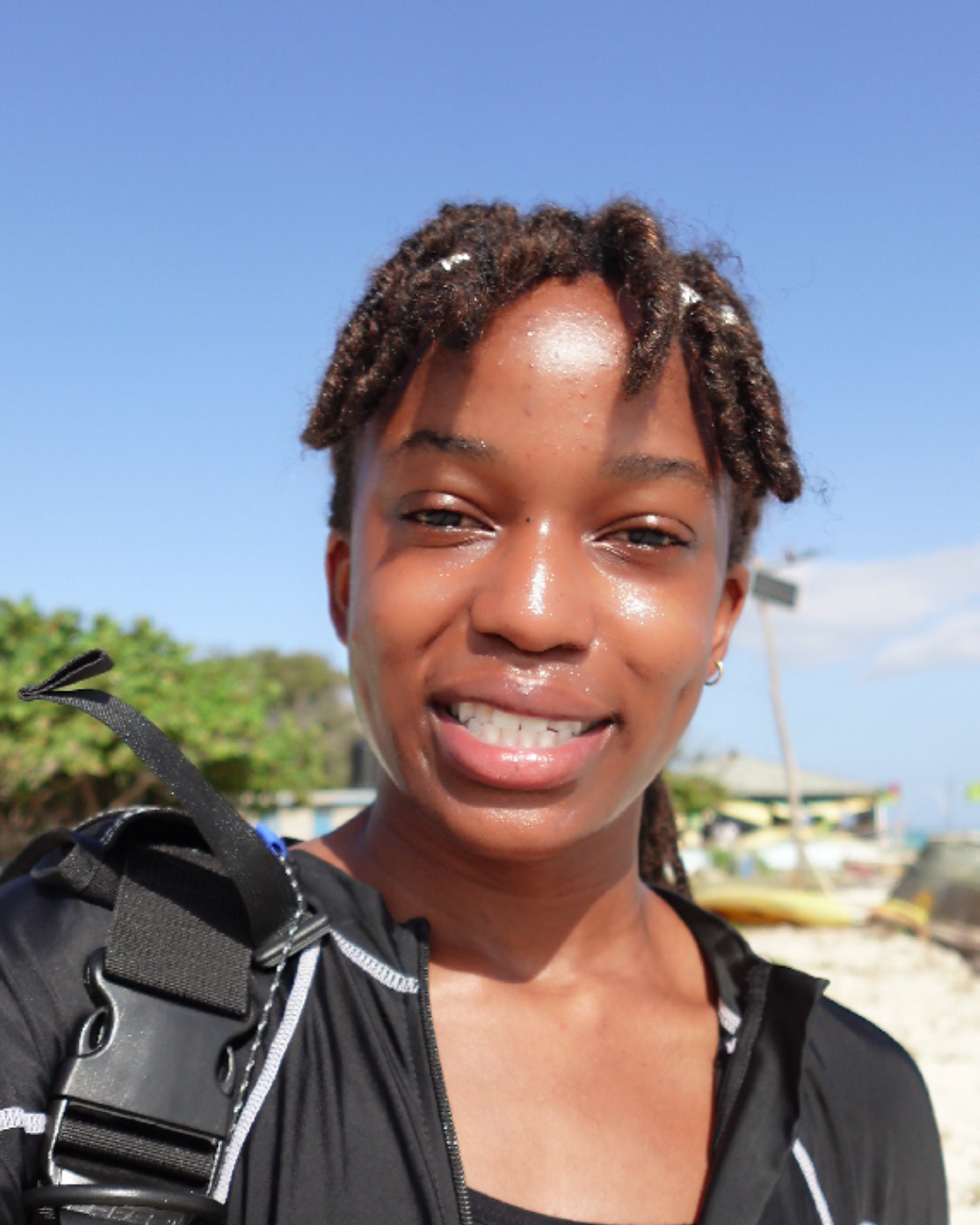
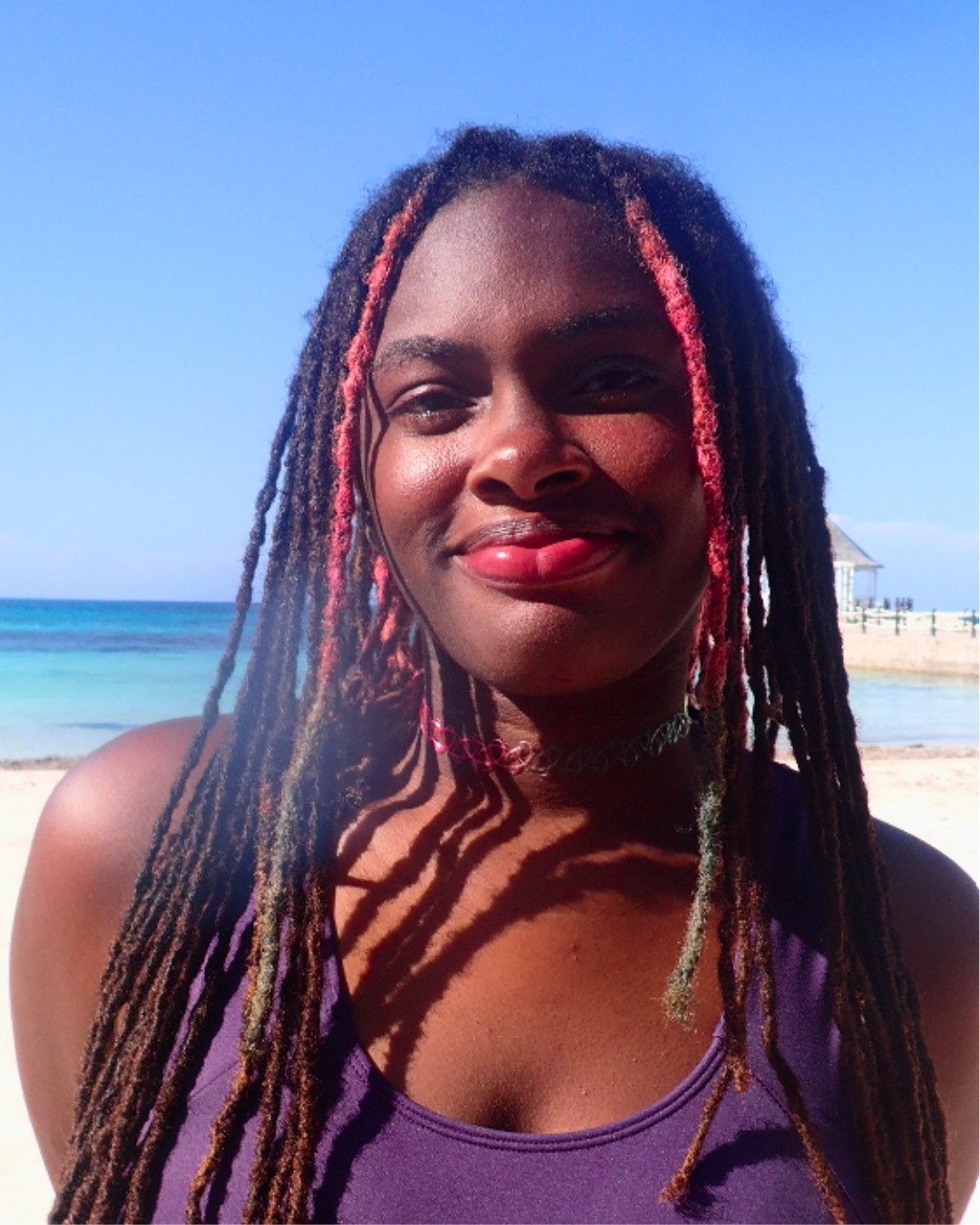
Syrece Evans
Co-project lead
Syrece is a marine biologist, certified scuba diver and skilled free diver who graduated from the University of the West Indies in 2024. She joined the project during her time working as an assistant at the UWI Discovery Bay Marine Laboratory.
Syrece has played a key role in the coral programme since summer 2025, surveying and transporting distant survivors, expanding the nurseries, and tracking diversity within our revitalized coral population.
-
![]()
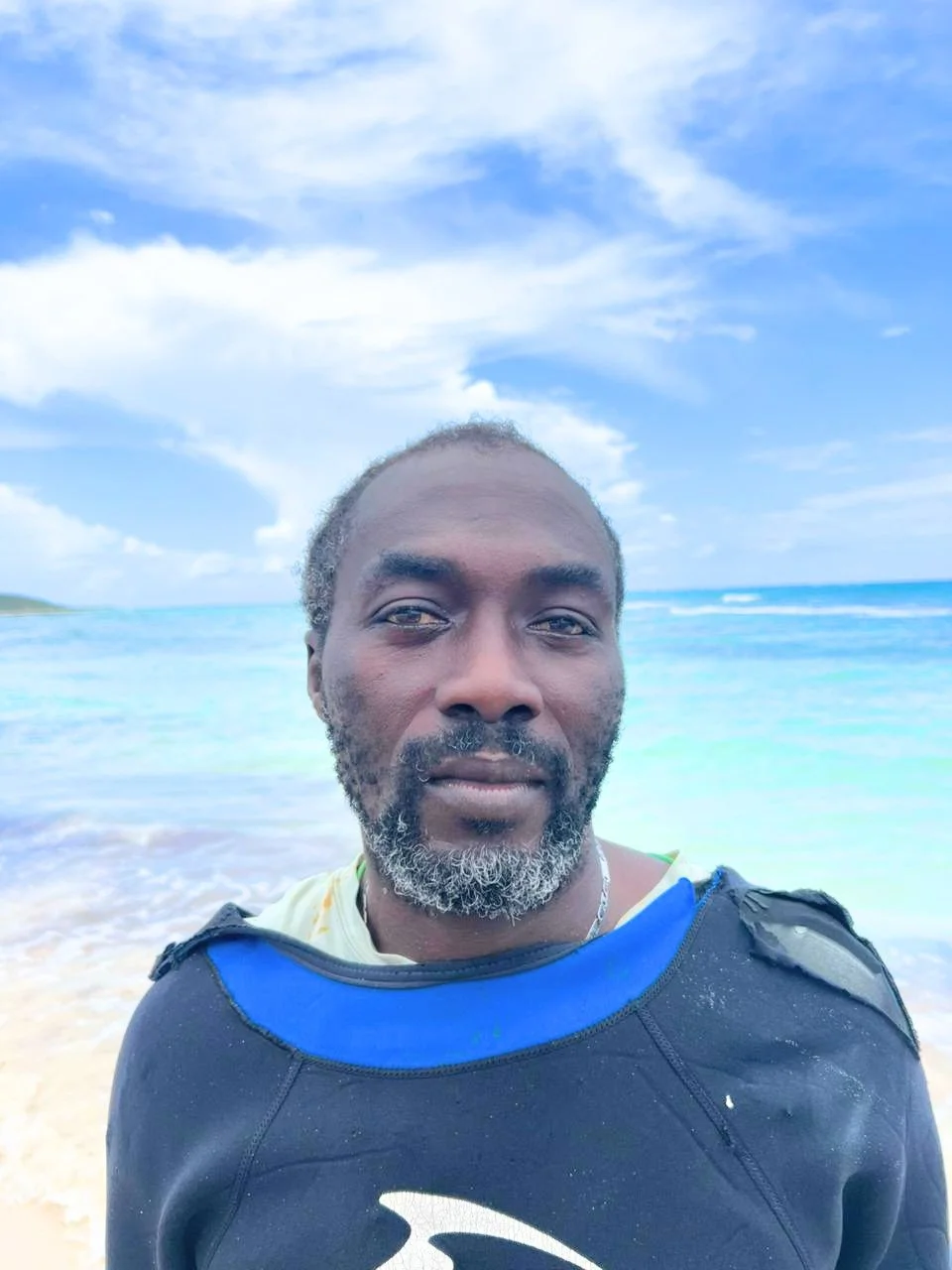
Mario Roxburgh
Coral farmer
Mario is a free diver and long-distance swimmer originally from St. Elizabeth, who has swum the reefs of Mesoamerica as an artisanal fisherman and compared the status of those corals to Jamaica's.
Inspired by the opportunity to rewrite Jamaica's coral conservation story, Mario joined the project team in 2026 as a regular coral farmer.
-
![]()
Michael Muschett
Scuba diver, coral farmer
Michael is a farmer, free diver and certified scuba diver from Falmouth, with several years of experience in various coral conservation projects in Jamaica.
Since late 2023, Michael has formed part of the early sourcing of parent corals that are today represented in the nursery and continues to provide occasional support in the field.
-
![]()
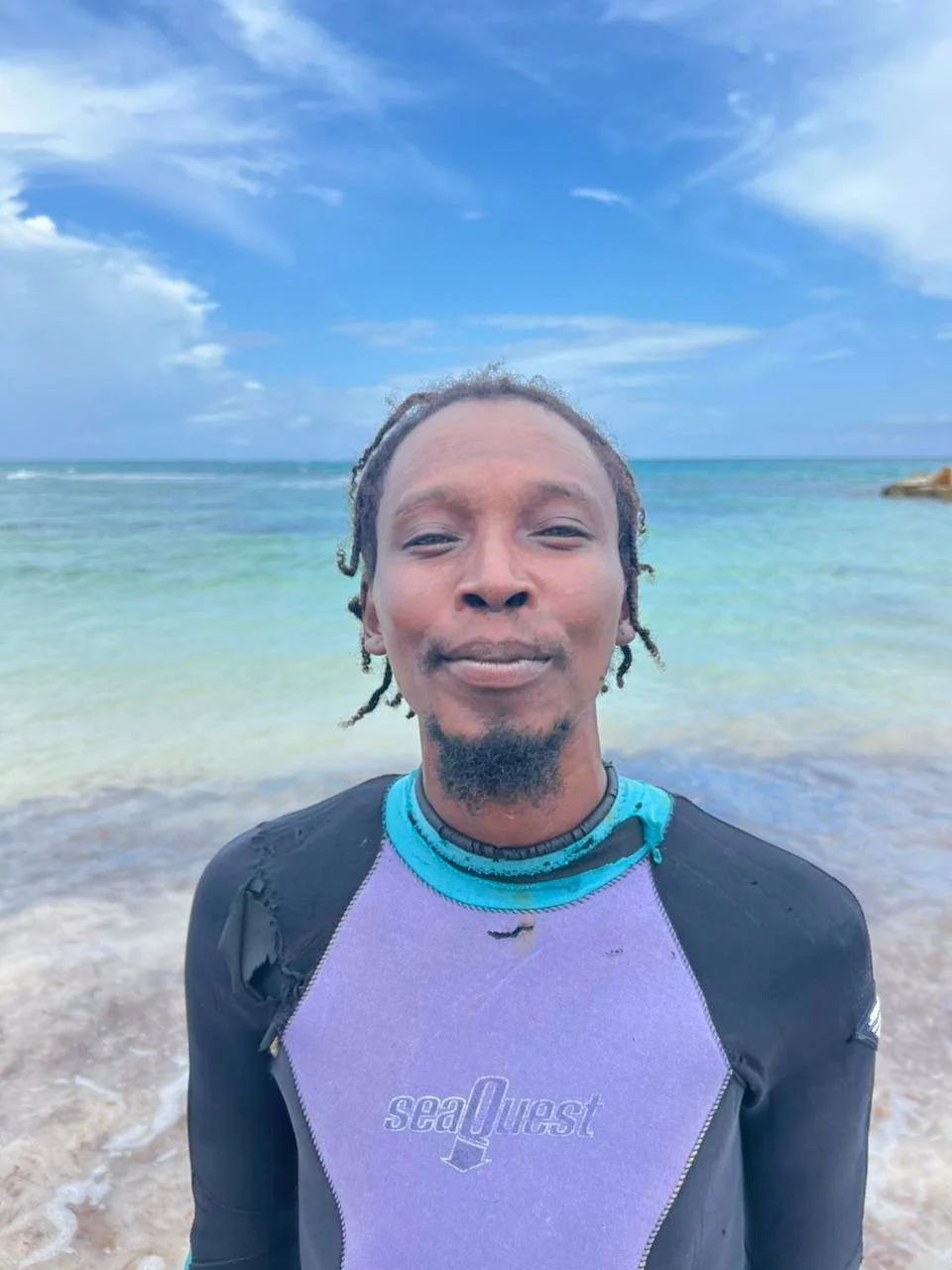
Nones "Moko" Scott
Coral farmer
Moko is a skilled free diver and long-distance swimmer from Duncans, whose main occupation is artisanal spearfishing. In 2026, he joined the project as a coral farmer, conducting regular maintenance and care in the nurseries and periodically increasing the number of corals in culture.
-
![]()
Kayla Taylor
Field assistant & diver
Kayla is a marine biologist from Portmore with a minor in Japanese from the University of the West Indies. Kayla is a lifelong lover of the sea and developed a knowledge of coral reefs during her bachelor’s programme.
Alarmed at the decline in coral reefs many countries around the world, including Jamaica, are experiencing, Kayla joined the project at the start of 2026, wanting to be a part of enhancing environmental acclimatisation and conserving different heat tolerant coral species.
-
![]()
Hosang "Johnny Blaze" Plummer
Project co-founder and coral farmer
Hosang is a part-time fisherman and full-time chef and entrepreneur in the Derby Beach fishing village. In early 2024, he co-founded the coral program after expressing his aspirations to regenerate the corals on the reef.
Today he collaborates as a part-time coral farmer and ambassador for the project in the community.
LEARN MORE →